Talchum is a Korean mask-dance tradition that combines movement, music, and dramatic performance. The mask is visually striking, but the action and relationships on stage matter just as much.
Start with a named tradition
Korea Tourism Organization’s Bongsan Mask Dance description explains that regional traditions have distinct names and characteristics. Bongsan talchum is one example, originating in Bongsan, Hwanghae-do. Do not treat its cast or structure as a rule for every Korean mask performance.
Watch the scene, not only the face
Try identifying who enters, who reacts, and when the music or movement changes. Write down one question you want a program note or guide to answer. That is more useful than assigning a fixed personality to every mask based on its appearance alone.
Before booking
Check the production’s name, venue, date, duration, and language support on the current organizer’s page. A tourism description may remain online after an event ends. The linked Bongsan listing refers to October 2–4, 2026; those dates have passed as of this guide’s source check. It supplies background, not an available booking.
Sharing without copying
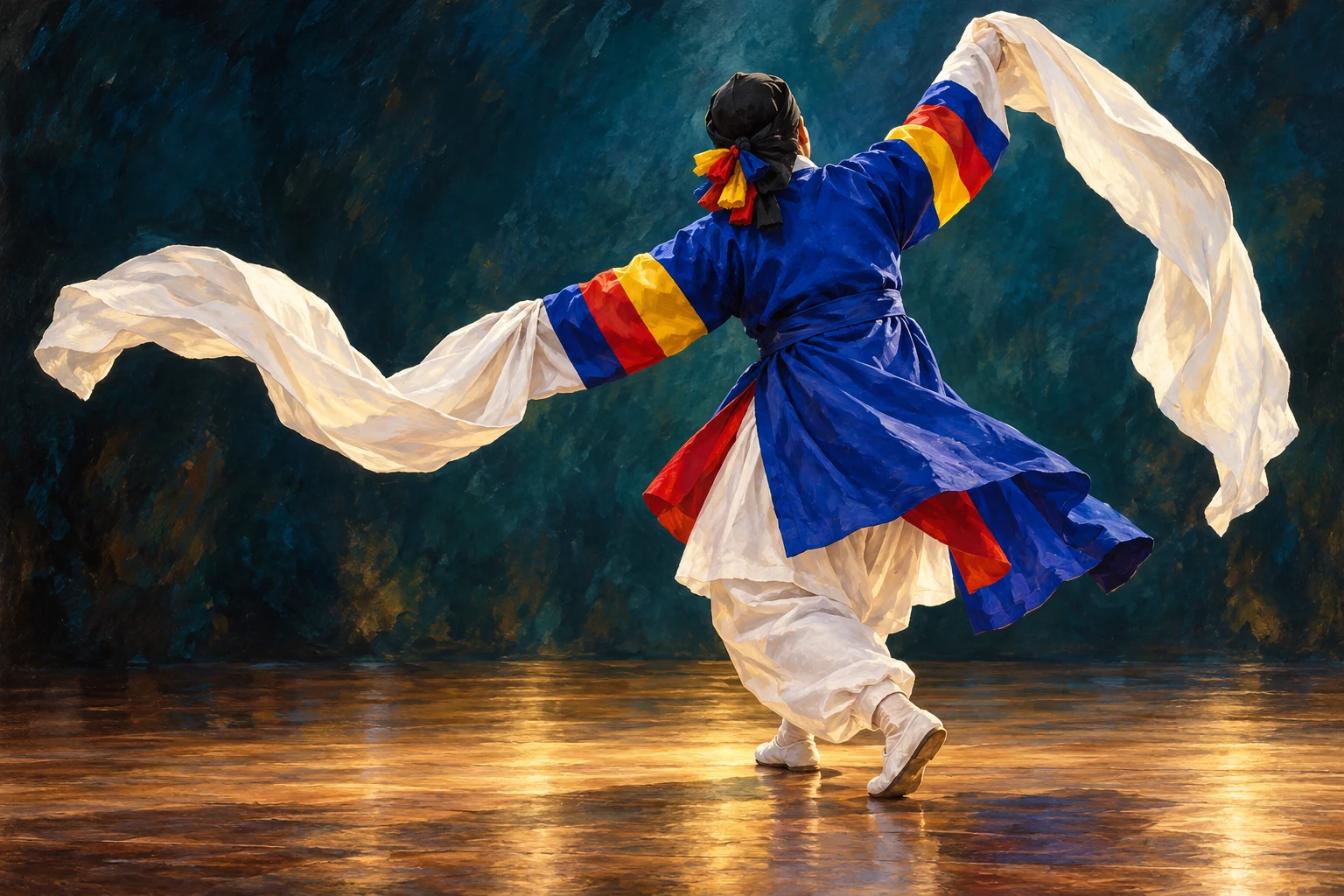
Our image is an AI-generated performance-concept illustration, not a photograph of an event or an authenticated reconstruction of a historical mask or regional costume. For a real performance, follow photography and recording rules. Do not copy a festival photograph or soundtrack simply because a promotional page lets you view it. When recommending a video, identify its producer and link to the authorized source.
Official sources
Sources checked October 27, 2026 (KST).
QUESTIONS & EXPERIENCES
Comments 0
Share a question or experience about this guide, then keep the conversation going with replies.
No published comments yet. Be the first to share a question or experience.